I’ll never forget my first snow trip to the Snowy Mountains — I thought I could wing it with some old hoodies and one of those puffy festival jackets. By lunchtime I was soaked, shivering, and rethinking every choice I’d made since Canberra. If you’re heading off for your first snow adventure or just need a reminder, let me walk you through what to wear so you stay warm, dry, and comfortable enough to throw a snowball at your mate without copping frostbite.
Planning a snow trip for the first time? Trust me — getting your gear right makes all the difference between freezing misery and a day of frosty fun.
When it comes to snow, layers are your best mate. Think of it like a three-part system:
Contents
- 1 1. Base Layers: Your Second Skin
- 2 2. Mid Layers: Trapping That Body Heat
- 3 3. Outer Layers: Your Snow Armour
- 4 What About Your Feet, Hands and Head?
- 5 Extra Snow Gear Worth Packing
- 6 Wearing the Right Gear for Your Snow Activity
- 7 Common Snow Trip Mistakes
- 8 When and Where to Go: Timing Matters
- 9 Final Thought
- 10 FAQ
1. Base Layers: Your Second Skin
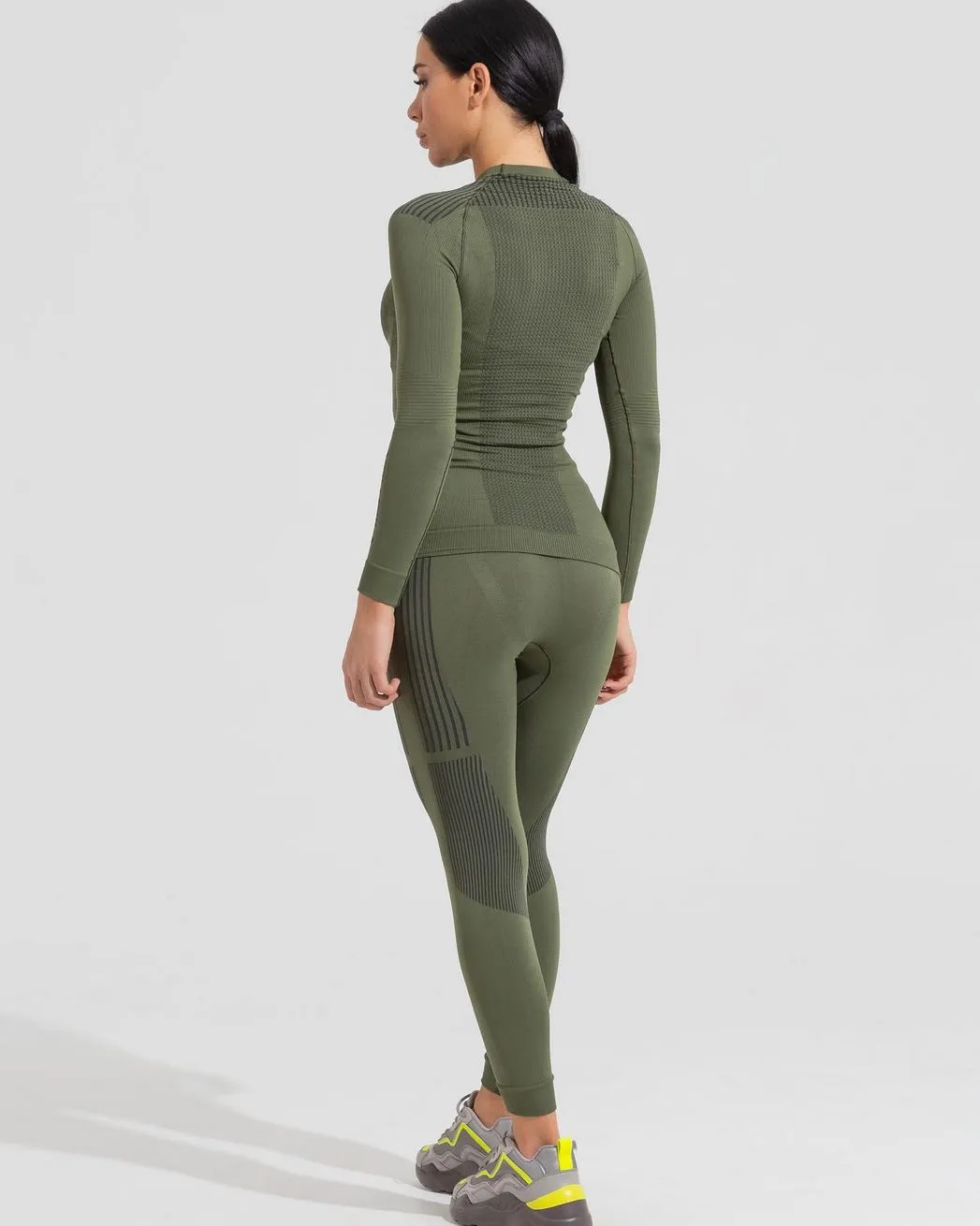
This is what sits closest to your body and its job is to wick away sweat. Avoid cotton — it soaks up moisture and makes you colder. Go for:
- Merino wool thermals
- Synthetic long-sleeve tops and bottoms
- Moisture-wicking underwear and socks
Hot tip: bring multiple pairs of thermal socks. Once your feet are cold, it’s game over. Your base layers will regulate your body temperature and help trap body heat without overheating.
2. Mid Layers: Trapping That Body Heat
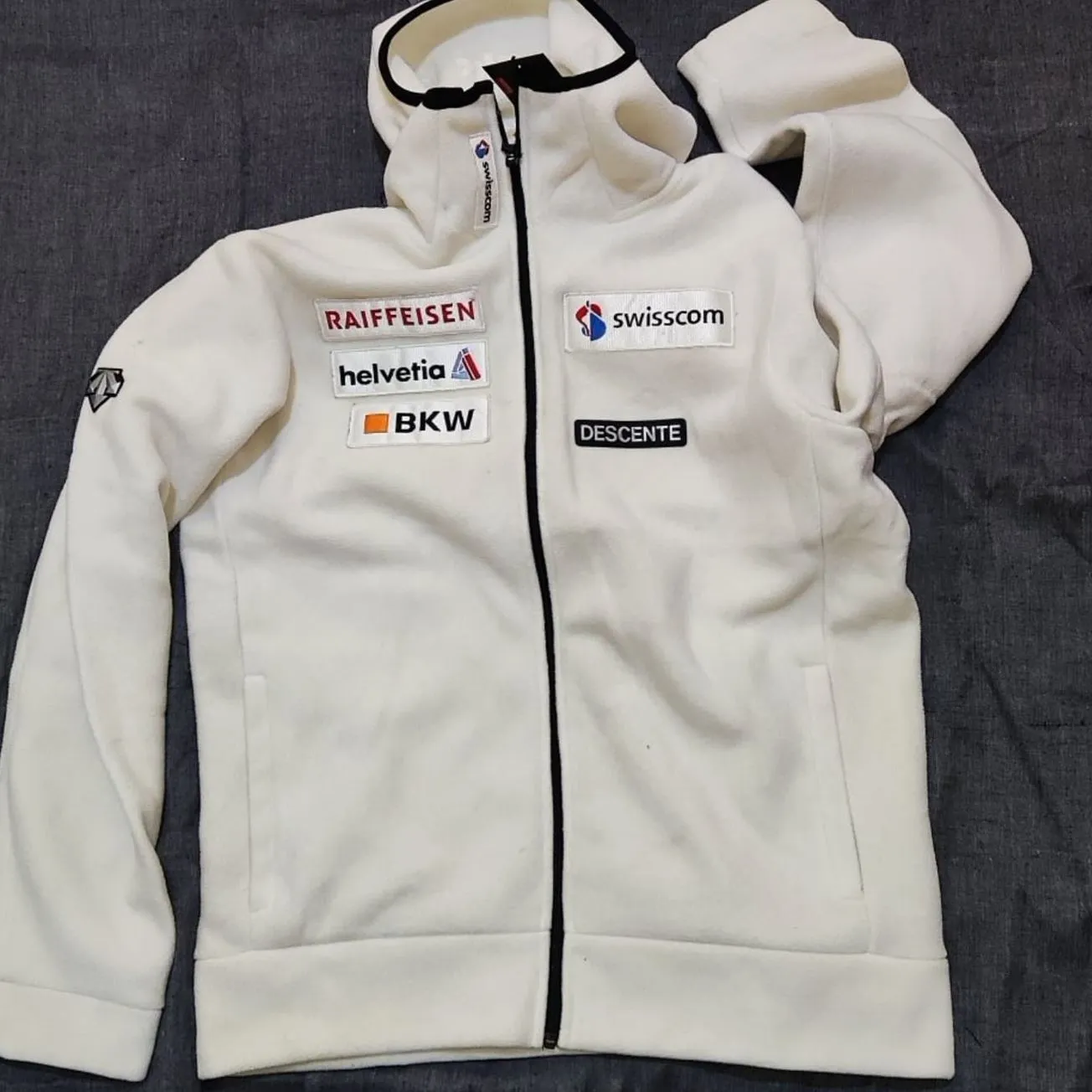
Your mid layer or middle layer provides insulation and holds your body heat close. You can go with:
- A fleece jacket
- Insulated vest
- Lightweight down or synthetic puffer jacket
Try not to overdo it here – you still need to be able to move. Leave the bulky jumpers at home and opt for pieces you can take off if you’re heating up on a hike or slope.
3. Outer Layers: Your Snow Armour
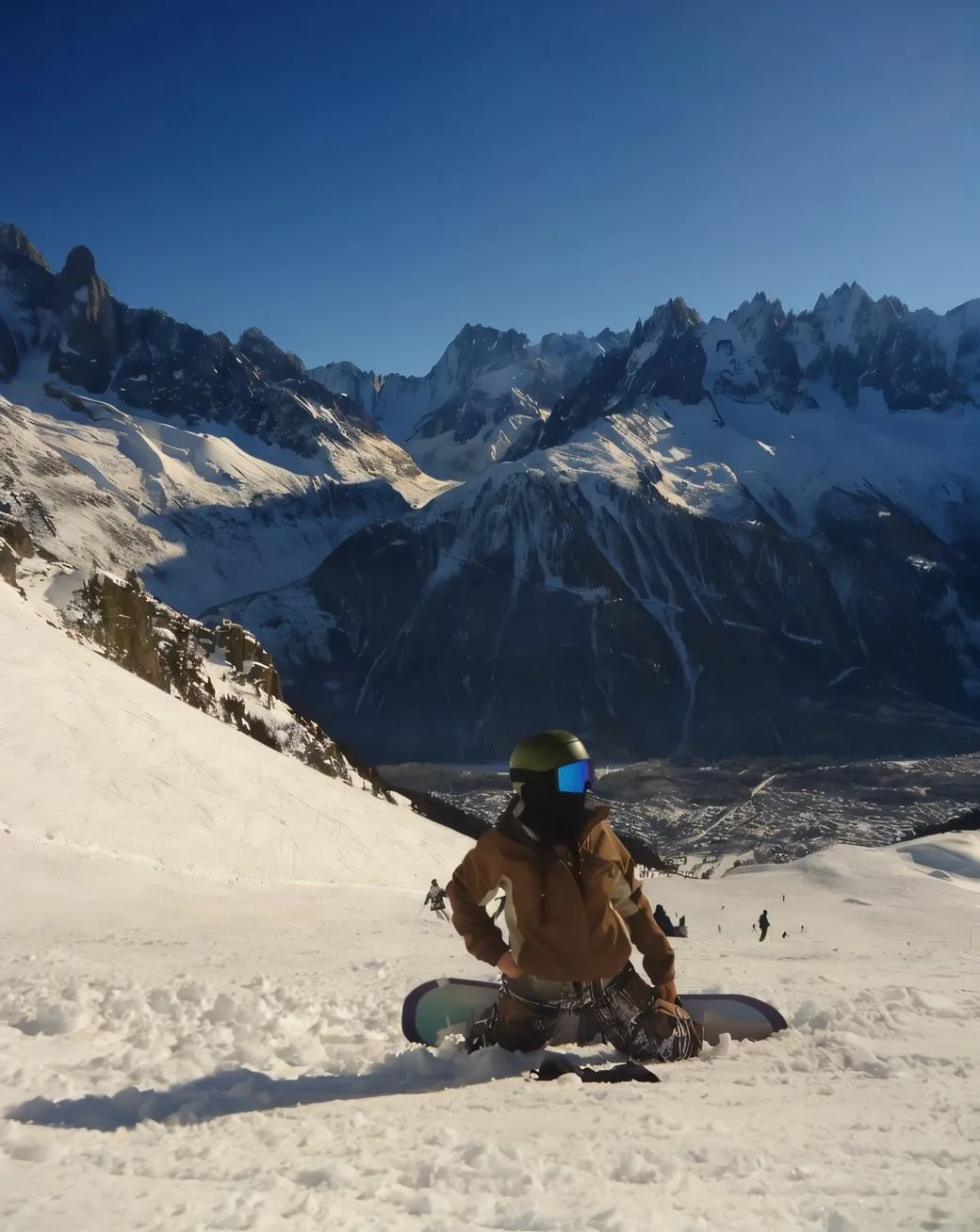
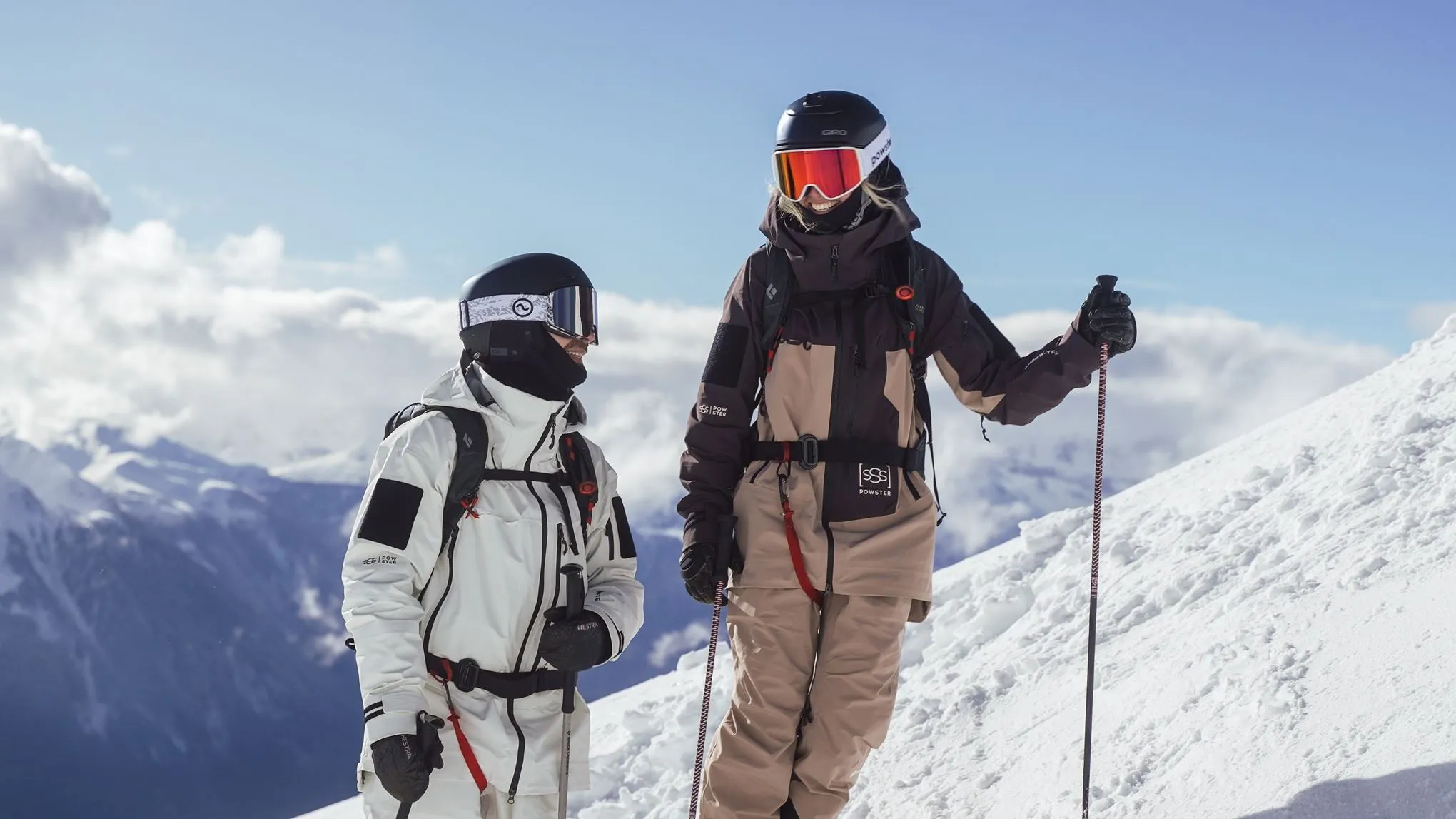
This is where the snow gear waterproofing comes in. Snow is wet. And once you’re wet, you’re miserable. Make sure your outer layer is:
- Waterproof and windproof (look for Gore-Tex or similar)
- Breathable so you don’t steam up from the inside
- Fitted well to trap heat but loose enough to layer underneath
You’ll want:
- A proper ski or snowboard jacket (with a powder skirt)
- Waterproof snow pants or bibs or snowboard pants
- Gloves or mittens with insulation (avoid leather gloves unless they’re waterproof)
I once made the mistake of using a leather glove on a snowboard trip. They looked cool until they froze solid and I couldn’t zip my jacket. Rookie error.
What About Your Feet, Hands and Head?
Let’s break it down:
- Ski boots or snow boots: If you’re skiing, rent ski boots that fit snugly. For general snow play, insulated snow boots with decent grip are essential.
- Socks: Go for thermal, synthetic socks or ski socks — not your everyday cotton numbers.
- Gloves: Waterproof snow gloves or mittens. Liner gloves are a good bonus layer to keep hands warm.
- Beanie or snow sports helmet: If you’re skiing or boarding, snow sports helmets are a must. For walking around, a wool or fleece-lined beanie will do.
- Neck warmer or buff: Way better than a scarf – less flappy, more warm. Ideal for keeping cold water and wind off your skin.
Extra Snow Gear Worth Packing
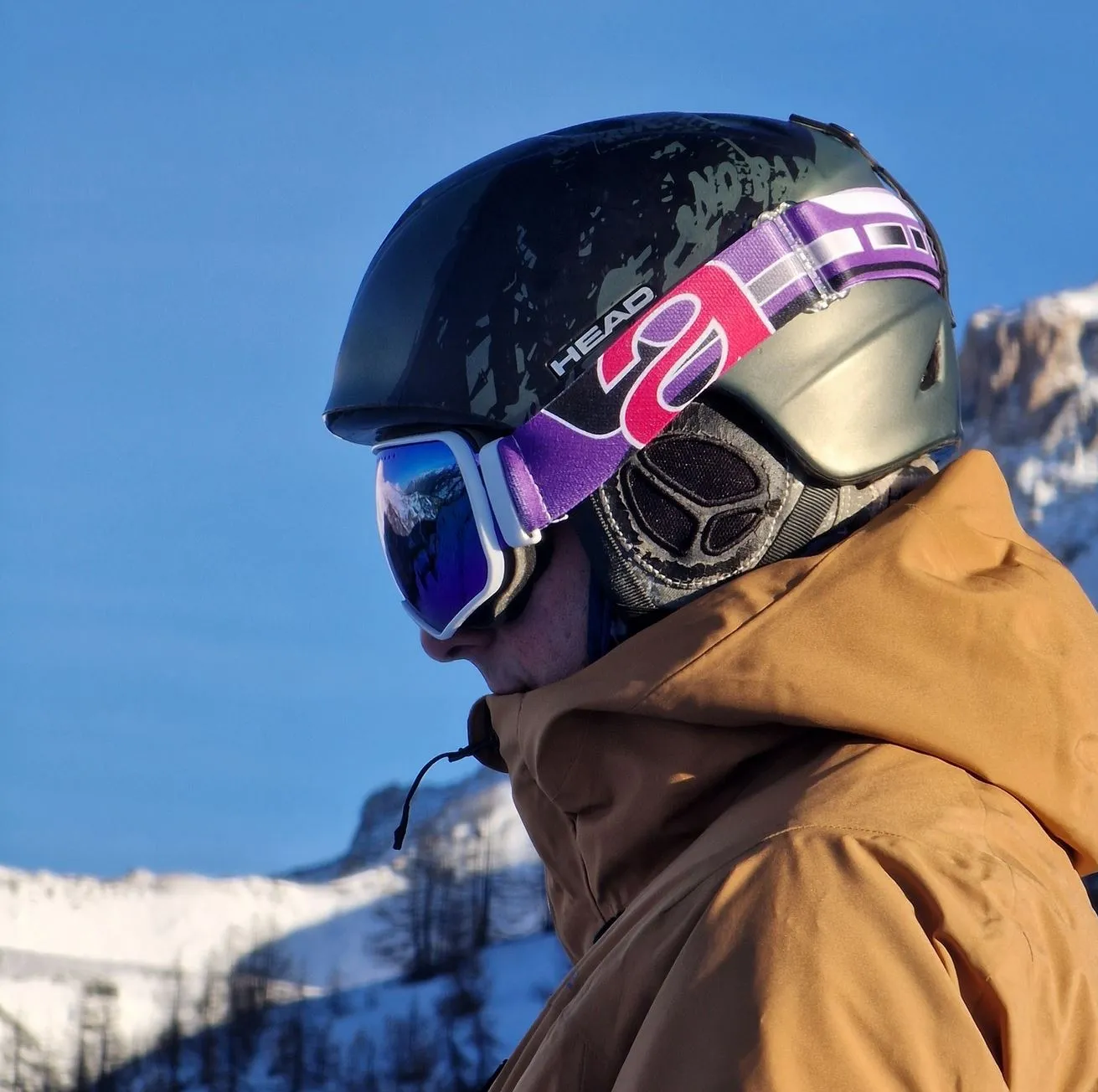
Some of this will depend on whether you’re skiing, snowboarding, tobogganing, or just playing snowball fights with the kids. But here’s a snow packing list of handy extras:
- Snow goggles (especially if you’re hitting the slopes)
- Sunglasses (glare from snow is no joke)
- Sunscreen and lip balm (sunburn still happens in cold weather)
- Hand warmers and toe warmers
- Waterproof backpack or dry bags
- Snow chains for your tyres if you’re driving
- Puffy jacket for off-slope strolls or cold nights
- Reusable water bottle – dry air makes you thirsty fast
- Snow boot chains if you’re navigating icy carparks or hiking
Don’t underestimate how unpredictable a day trip snow Melbourne can be — packing right can save your whole adventure.
Wearing the Right Gear for Your Snow Activity
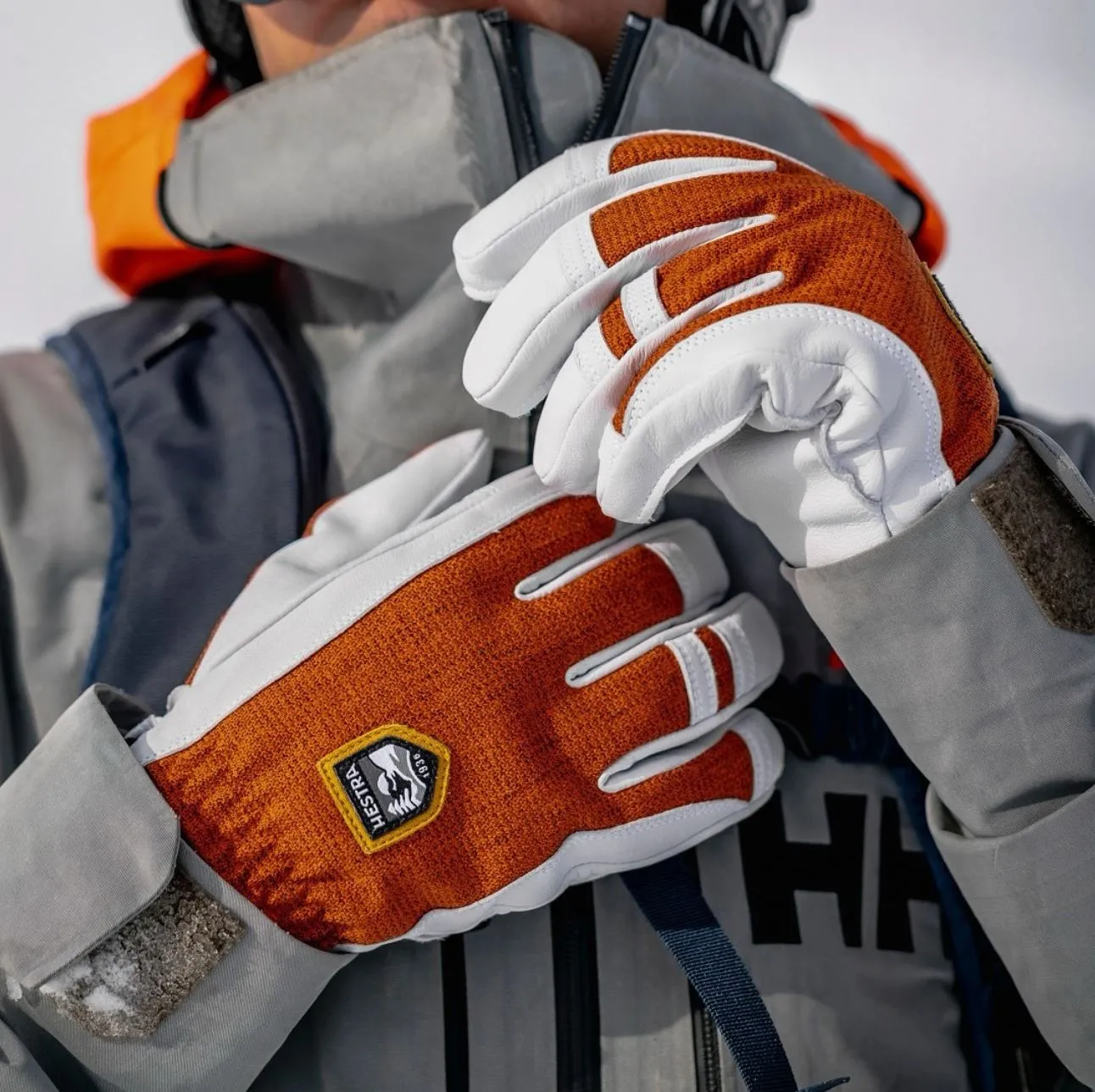
Let’s face it, what you wear for a ski trip in Thredbo might look different from a day of snowball fights and snow adventures at Lake Mountain. Here’s a quick breakdown:
Skiing or Snowboarding
- Helmet or snow sports helmet, snowboard jacket or ski jacket, snow pants
- Ski gloves, goggles, snow socks
- Base, mid, and outer layers
- Ideal for skiing for beginners and pros alike
Snow Hiking or Snowshoeing
- Base layer + fleece
- Waterproof hiking boots or snow boots
- Snow gaiters (if you’re going off-trail)
- Gloves, beanie, sunglasses
- Great for any hiking enthusiast or mountain biker looking to cross-train in winter
Family Snow Play (Snowmen, Toboggans, Snowball Fights)
- Waterproof jacket and pants
- Insulated gloves and boots
- Neck warmer, beanie, and goggles or sunnies
Scenic Drive or Snowy Day Trip
- Thermal base layer
- Warm jumper or puffy jacket
- Jeans (but waterproof pants are better if you plan to sit in the snow)
- Waterproof boots – hiking boots are okay if the weather conditions are mild
Common Snow Trip Mistakes
Even seasoned travellers get this wrong, so here are a few lessons I’ve learned the hard way:
- Overpacking bulky clothes – Layers work better than one massive outer layer
- Wearing denim – Wet jeans are the devil in the snow
- Skipping waterproof gloves – Your hands will freeze faster than a ski patroller in a blizzard
- No change of clothes – Always have a dry pair of everything (especially pairs of pants and socks)
- Ignoring eyewear – Snow glare and poor visibility can ruin your day
I always tell folks: treat every snow trip from Melbourne like the weather might change every hour — because it often does.
When and Where to Go: Timing Matters
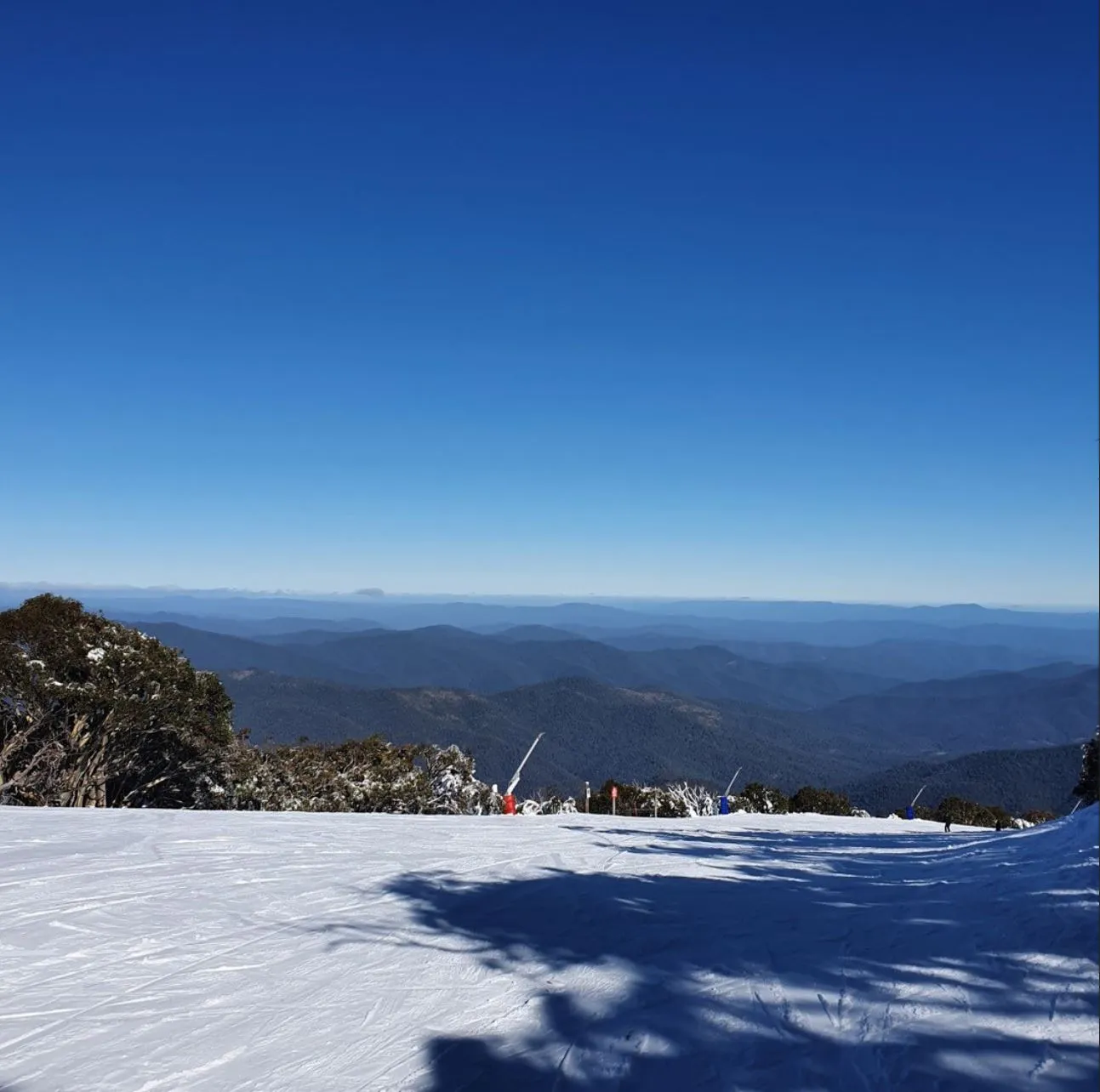
Winter in Australia runs from June to August, but snow season can stretch from May to October in good years. The ski fields in Victoria and NSW (think Falls Creek, Mt Buller, Perisher, and Thredbo) are your go-to zones.
Looking for a guided experience? Autopia Tours runs scenic winter day trips to Mt Buller with options for snow play or skiing. It’s a great way to enjoy the snow season without worrying about chains, driving or packing a full snow kit. I’ve joined their Buller run twice — great views, easy logistics.
Wildlife Tours also offer snow day tours up from Melbourne that pair Mt Donna Buang with wine tastings — not your average ski trip, but a cracking day out.
For adventurers heading north, Wayoutback Tours sometimes include alpine detours on their broader multi-day trips — worth checking their winter itineraries if you’re up that way.
If your best snow day trip Melbourne involves a roadie, remember that some alpine roads require snow chains by law — don’t risk a fine or a spin-out.
For the best fresh snow, head out after a solid dump of fresh powder – check snow cams before you go.
Final Thought
Snow trips Victoria are a blast, but only if you’re dressed right. I’ve seen too many visitors turn back to the car with soaked socks and chattering teeth before lunchtime.
Pack smart, layer right, and you’ll stay warm enough to chase snowflakes, belt down ski fields, or laugh through snowball fights without losing the feeling in your fingers.
Got a snow trip hack I missed? Drop it in the comments — I’m always updating my snow day packing list. And if you’re planning a family road trip to a snowy spot from Melbourne or Sydney, reach out — I’m happy to share my guide to mountain bike routes that also hit the high-country snow zones when the powder’s right.
If you’re considering a no-fuss option to one of the nearby ski resorts, give Autopia Tours a look — they’ve got snow adventures down to a fine art.
FAQ
Can I wear normal sneakers in the snow?
Only if you like cold, wet feet, go for waterproof snow boots or hiking boots with solid tread.
How many layers should I wear?
Generally, there are three layers: base, mid, and outer. Adjust based on activity and temperature.
Are jeans okay for snow?
Not ideal. Denim holds water and freezes fast. If you must, layer waterproof pants on top.
What if I don’t have snow gear?
You can rent jackets, pants, and even boots at most ski resorts. Don’t skimp on base layers or a good pair of gloves.
Do I need a helmet to ski?
Yes. Helmets save lives, keep your head warm, and are now standard across most days of skiing.